
Getting Started
In today’s digital world, one of the hardest things for parents to do is keep track of how much time their kids spend on screens. Kids are always looking at screens, like phones, tablets, laptops, TVs, and even learning tools. Technology can help kids learn and be creative, but too much time in front of a screen can be bad for their health, sleep, behaviour, and focus. A lot of parents have a hard time finding a way to protect their child’s growth without completely cutting off access to technology. To help kids develop healthy screen habits, you need to give them advice, talk to them, and be consistent. This article talks about how parents can set smart rules for screen time, help their kids use technology in a balanced and meaningful way, and manage screen time well.
Understanding How Too Much Screen Time Affects You
Parents need to know what screen time can do to their kids in order to manage it well. Too much time in front of screens can make it hard to sleep, change eating habits, strain the eyes, and make people less active. Kids who spend too much time in front of screens may also have problems with their behaviour, like being irritable, having trouble concentrating, or losing interest in schoolwork. If a child likes screens more than talking to people in real life, their social and emotional development may slow down. But this doesn’t mean that screens are bad for you. When used correctly, educational videos, digital books, and learning apps can help a child learn more. The most important thing is to not go overboard. Parents who know both the good and bad things about technology can help their kids use it in a healthy way and avoid long-term problems.
Establishing Clear and Consistent Rules for Screen Time
When rules are clear, consistent, and easy to understand, kids are more likely to follow them. Setting limits on screen time based on age, purpose, and daily schedule helps keep things in balance. You should set stricter limits for younger kids and give older kids more time with supervision. Some rules might be that you have to finish your homework before you can use your devices, you can’t use screens during meals, or you have to turn off all your devices before bed. It’s important to be consistent because kids notice right away when rules change or aren’t followed. Parents should also tell their kids why there are limits in simple words so they know that rules are there to keep them safe and help them grow. Kids learn discipline, self-control, and responsibility when they follow the rules all the time.
Promoting Healthy Options Instead of Screen Time
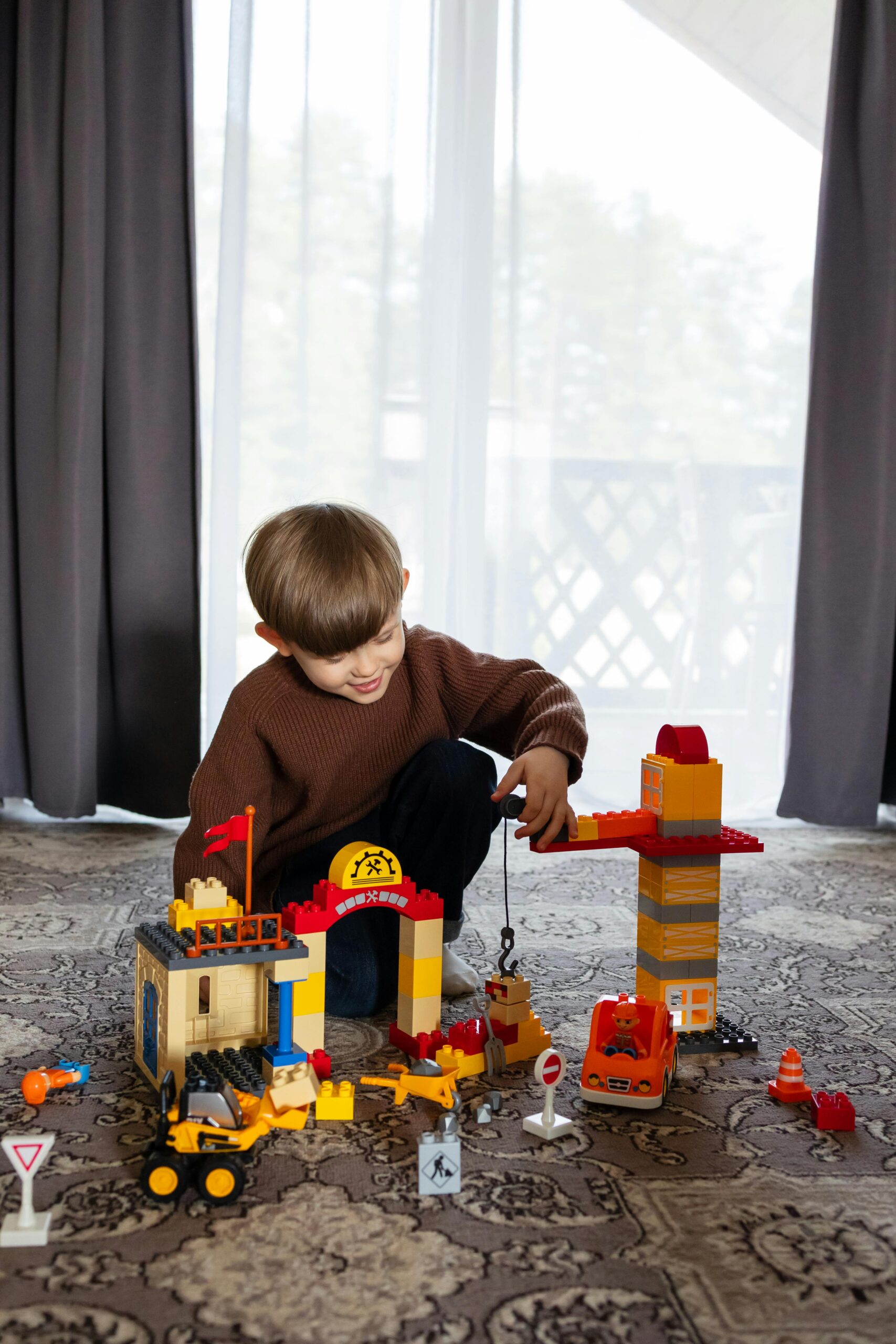
One of the best ways to cut down on too much screen time is to give kids fun and useful things to do instead. Kids often choose screens when they’re bored or don’t have anything creative to do. Parents can help their kids get into simple hobbies like drawing, reading, playing outside, building toys, or doing small chores around the house. Kids are more likely to choose real-life experiences over digital ones when they spend time with their families playing board games, cooking together, or telling stories. Kids naturally stop using screens as much when they find fun things to do outside of them. Making a “no-screen zone” in the house, like the dining room or bedroom, is another way to encourage healthier habits. Getting kids to do things like bike, run, or play sports keeps them active and makes them less likely to want to stay on screens.
Keeping an eye on and directing digital content
It’s not just how long kids spend on screens that matters; it’s also what they watch. Parents should keep an eye on the videos, apps, and websites their kids use. Content that is safe and educational can help people learn, while content that is violent or inappropriate can make people feel bad and act badly. To keep kids safe, use parental controls, apps that are safe for kids, and watch with them. Parents can also watch some videos with their kids to see what they like and to start important conversations. Teaching kids to choose positive content helps them learn how to be responsible with technology. Kids who learn how to safely use the internet at a young age make better decisions and become more aware of their choices as they get older.
Being a Good Example for Kids
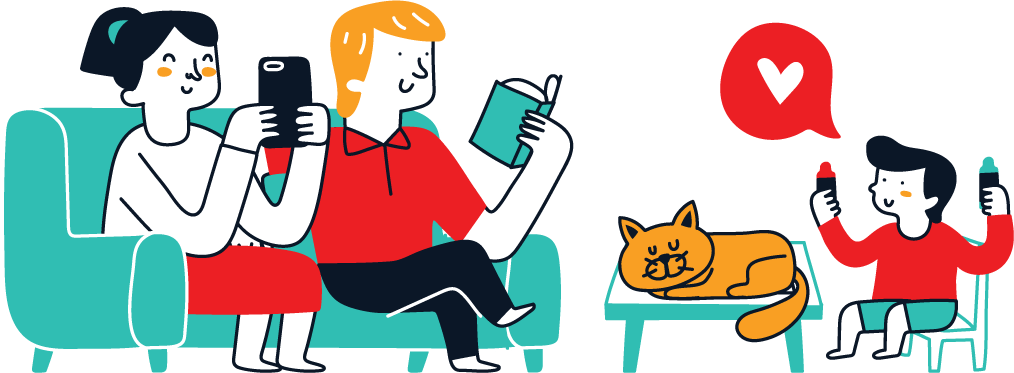
Kids don’t just copy what they hear; they also copy what they see. Kids will naturally do the same things as their parents if they are always on their phones or watching TV. Parents need to set a good example by using their devices in a healthy way before they can help their kids manage their screen time. A good example is not using your phone during meals, not scrolling through things you don’t need to, and spending more time with your family. Kids learn to have balanced screen time when they see their parents do the same. Parents who show self-control and put real-life activities first teach their kids that technology is useful but not the most important thing in life. This helps you build healthy habits that last and get closer to your family.
Finding a balance between technology and learning and growth
When used for the right reasons, screens can help people learn. Kids can learn new things and understand school subjects better with educational apps, documentaries, and online classes. The goal is to make learning and having fun equal. Parents can set up structured learning time followed by limited entertainment time instead of banning screens altogether. This shows kids how to use technology in a responsible and useful way. Parents can also help their kids be creative online by teaching them how to use drawing apps, coding games, or kid-friendly research tasks. This will help them feel more confident and curious. When kids use technology in moderation, along with play, study, and socialising, they become healthier and more responsible digital device users.
In conclusion
To properly manage kids’ screen time, you don’t need to be strict; you just need to find a balance, give them guidance, and talk to them. Kids naturally develop healthy habits when their parents know how too much screen time affects them, set clear rules, offer fun alternatives, and keep an eye on what they watch online. Children learn how to use technology wisely while still having fun offline when they have a positive role model and a supportive environment. In a world full of screens, parents can help their kids get smarter, stronger, and healthier emotionally if they do it the right way. Spending time on screens in moderation helps you learn better, have better relationships, and feel better overall.
Frequently Asked Questions
Q1: How many hours a day should kids spend in front of a screen?
Most experts say that young kids should have limited screen time and older kids should use screens in a balanced way. The most important things are good content, breaks, and keeping up with healthy daily habits.
Q2: What can I do to help my child use screens less?
Offer fun alternatives like playing outside, reading, doing creative hobbies, and spending time with family. Make sure everyone knows the rules and sticks to them.
Q3: Should I not let my child use screens at all?
No, you don’t have to completely ban screens. Instead, teach kids how to use technology safely and help them find a balance between it and exercise, studying, and spending time with friends.

