
Beginning
One of the best things a parent can do for their child is to help them build good habits early on. The way they think, act, talk, solve problems, and deal with challenges as adults is shaped by the habits they formed as children. Good habits help you learn, stay disciplined, stay healthy, and build your character. Bad habits, on the other hand, can cause problems for a long time. Parents often have a hard time teaching their kids how to do things like clean up, control themselves, be kind, or stay on task. The process takes time, consistency, and positive feedback. This article gives parents useful tips on how to help their kids develop healthy habits that will last a lifetime.
How Kids Learn to Form Habits
Parents must comprehend the formation of habits prior to instructing good ones. Kids learn by doing things over and over, seeing them, and feeling connected to them. Over time, a child will do the same thing over and over again, like brushing their teeth, saying hello nicely, or putting their school bag together. Kids learn things by watching their parents do things. Children will naturally copy their parents’ behaviour if they are disciplined, kind, or responsible. When habits feel good, they get stronger faster. So, a good environment, support, and gentle reminders are better for building habits than strict rules. Parents can help their kids with more patience and confidence when they understand this process.
Making a Strong Daily Schedule
Making a daily routine that you can count on is one of the easiest ways to develop good habits. Routines help kids stay organised, make things less confusing, and make them feel like they have to do things. Getting up at the same time, brushing your teeth, eating breakfast, studying, playing, doing small chores, and going to bed early are all parts of a simple routine. When kids do the same things every day, they become habits without parents having to remind them all the time. It’s important to be consistent. Kids have a hard time following new patterns when routines change a lot. A clear routine helps kids learn important behaviours, keeps them calm, and makes them feel safe.
Using Praise and Positive Reinforcement
When teaching habits, encouragement is a very useful tool. Children react better to praise than to punishment. Parents should thank their kids when they finish a task, show responsibility, or act kindly. Kids are more likely to do something again if you say things like “Great job,” “I’m proud of you,” or “You did that all by yourself.” Giving rewards for progress, like sticker charts or small privileges, can also help people stick to their goals. Positive reinforcement boosts a child’s self-esteem and makes them feel like they can do things. Good habits become stronger and last longer when kids enjoy learning them.
Teaching by showing and modelling good behaviour
Kids learn more from what they see than from what they hear. Parents need to show their kids how to be honest, clean, kind, organised, and eat well if they want them to learn these habits. A good role model for a parent is someone who reads a lot, keeps their house clean, is polite, manages their time well, and is thankful. Kids don’t even realise they’re doing these things, but they do them anyway. But if parents have bad habits, like spending too much time on screens, getting angry, or skipping routines, their kids might do the same things. Being a role model is a great way to start building good habits.
How to Encourage Responsibility by Giving Simple Tasks
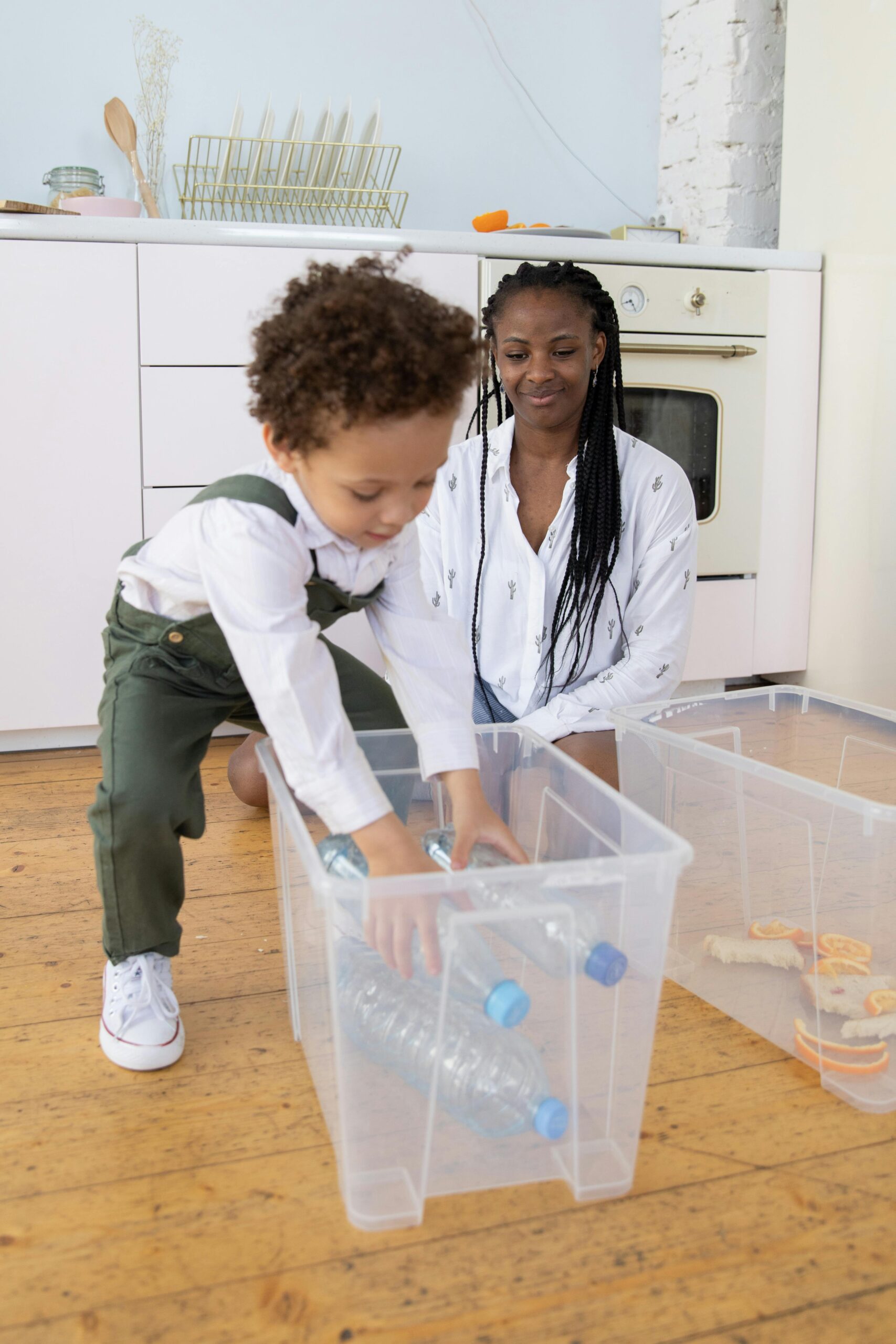
Kids learn to be independent and confident when you give them small tasks to do. Kids learn responsibility by doing simple things like putting away their toys, helping set the table, watering plants, organising their school supplies, or picking out their clothes. Kids learn discipline, how to solve problems, and how to rely on themselves when they do these tasks on a regular basis. Parents should give their kids chores that are appropriate for their age and skill level. The goal is not to be perfect, but to take part. Kids naturally learn to take responsibility in their daily lives when they feel trusted and capable. Over time, this makes you a better person, helps you make better choices, and boosts your self-esteem.
How to Teach Kids the Value of Being Consistent
Repetition and consistency help you build good habits. Kids need to know that habits form when they do something over and over again, even if they don’t want to. Parents can help by explaining why it is important to be consistent, like doing homework on time, going to bed early, reading every day, or keeping their room clean. Without putting pressure on them, gentle reminders and small routines can help them stay consistent. Kids are more likely to keep good habits when they see that small things they do every day can make a big difference. Being consistent also helps them learn self-discipline, which is a skill that will help them for the rest of their lives.
Creating a safe space for feelings and open communication
In a supportive environment, kids are more likely to learn good habits. Kids feel safe learning new behaviours when they have emotional connections, trust, and open lines of communication. Parents should talk to their kids about why good habits are important in simple ways, like why being kind is important, why being organised is important, or why health routines help them grow. A strong relationship can be built by listening to a child’s thoughts, fears, and questions. Kids are more likely to follow advice and make healthy choices when they feel like they are being heard. A nurturing environment fosters children’s emotional, social, and intellectual development.
Conclusion
Getting kids to start good habits early is a great way to help them shape their future. Every little thing you do, like cleaning up, studying regularly, being kind, controlling your emotions, or sticking to a schedule, builds character and boosts your confidence. Parents can help their kids develop habits that will help them succeed for the rest of their lives by being patient, consistent, giving them positive feedback, and creating a loving environment. It’s not about being perfect when you build good habits; it’s about making steady progress. Kids who learn discipline, responsibility, and self-control at a young age become well-rounded, confident, and capable adults.
Questions and Answers
Q1: When should I start teaching my child good habits?
You can start teaching good habits to kids as young as two. Children learn quickly by doing things over and over and watching others do them, so starting early helps them build strong habits.
Q2: What should I do if my child doesn’t want to follow the daily routines?
Stay calm, be consistent, and gently push them to do their best. Give them choices, let them help you make small decisions, and use positive reinforcement to make routines easier and more fun.
Q3: How can I help my child keep up with good habits?
Make simple routines, remind them, and show them how to do it yourself. Celebrate small wins and encourage them often to help them stay consistent over time.

