

Beginning
Every parent wants to raise smart, confident kids, but it takes a lot of care, support, and understanding to do so. A child’s intelligence and self-esteem don’t grow overnight. They grow slowly over time through daily habits, good parenting, emotional support, and a loving environment. Kids learn to trust themselves and believe in their own abilities when their parents give them support instead of pressure, structure instead of strictness, and love instead of comparison.
Smart kids are not just good at school; they are also creative thinkers, curious learners, good at solving problems, and emotionally stable. Children who are confident don’t have to be loud or brave; they just believe in themselves and feel safe when they try new things. This article talks about the best parenting tips for helping kids learn and build their self-esteem.
Making a place where people can grow is important.
The environment a child is in affects how well they learn, how they act, and how they feel about themselves. Kids feel safe to explore, ask questions, and make mistakes when they grow up in a positive and supportive environment. A supportive environment means being patient, listening to your child, and giving them advice without judging them.
Kids who feel emotionally supported are more likely to bounce back and be open to learning. They know that making mistakes is a normal part of learning and not a sign of failure. This way of thinking is what gives you confidence and helps you do well in school. Parents should work to make their home a peaceful place where their child feels loved, respected, and important.
Fostering a Love of Learning and Curiosity
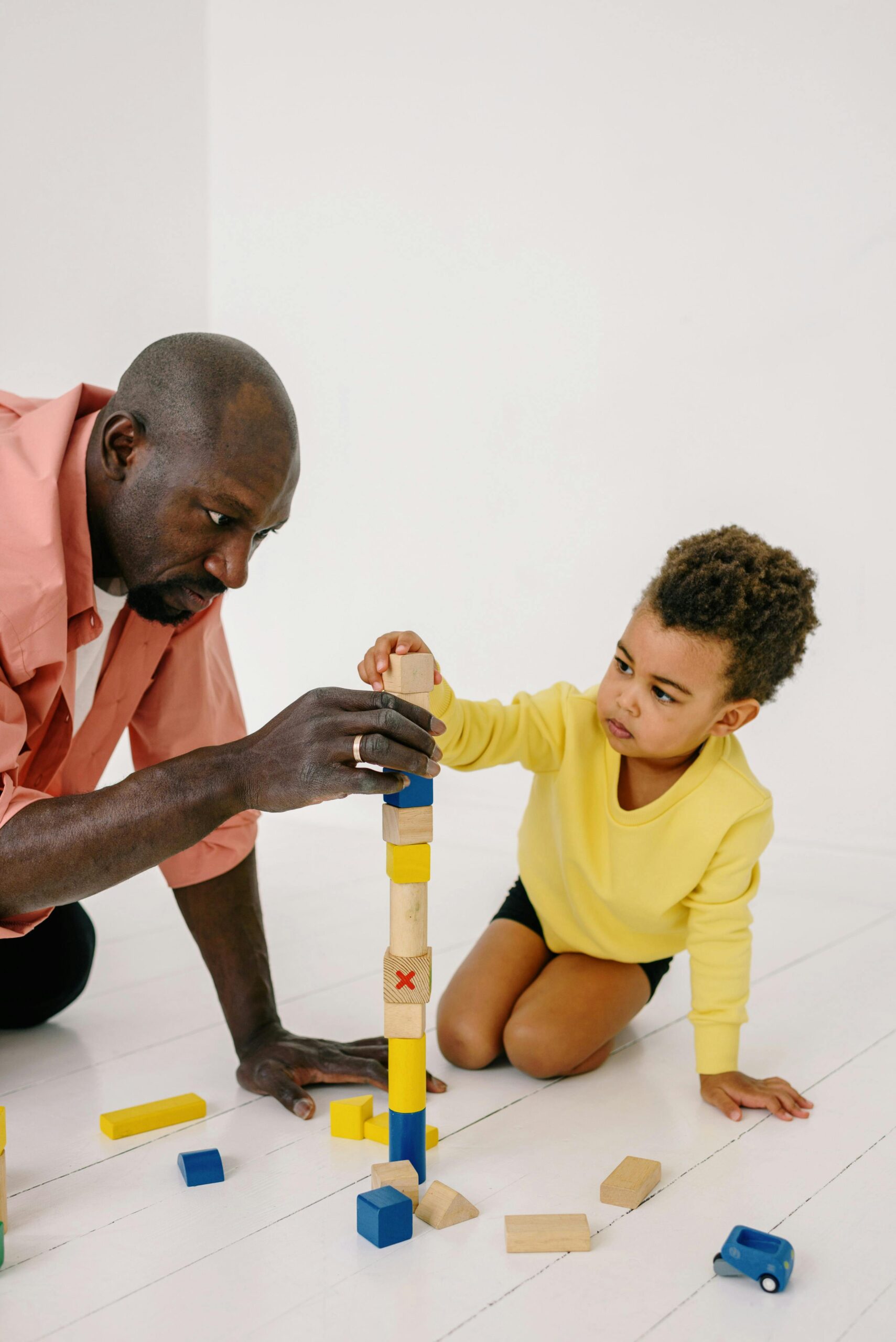
Being smart starts with being curious. When kids are told to look around, ask questions, and try new things, their brains become more active and creative. Parents can help their kids be curious by giving them books, educational games, science experiments, puzzles, and creative tasks.
Parents should not always give their kids direct answers; instead, they should help them find their own answers. This makes it easier to solve problems and think critically. A child who is curious becomes an adult who loves learning instead of being afraid of it.
How to Build Confidence with Positive Reinforcement
When kids get real praise for their efforts, not just their successes, they feel more confident. Positive reinforcement shows kids that working hard is important. Parents should praise small improvements, encourage their kids to keep going, and recognise their efforts even if the results aren’t perfect.
Comparing kids to other kids all the time makes them less sure of themselves. Instead, parents should help them work on improving themselves. Saying things like “I’m proud of you,” “You tried your best,” or “You can do it” helps people believe in themselves. Parents should let their kids take charge and celebrate their independence because kids’ confidence grows when they do things that are right for their age.
Teaching Discipline and Responsibility to Kids Early
Structure helps smart and confident kids learn how to be disciplined. Discipline doesn’t mean being strict. It means teaching kids to understand what will happen if they do something wrong and how to control their own behaviour. Doing simple things every day, like putting away toys, finishing homework on time, or helping with small chores, helps you learn how to be responsible.
Kids feel important and more responsible when their parents let them help make decisions or plan their daily activities. They can trust their abilities, follow rules, and stay organised because they feel responsible. Kids get more self-sufficient and sure of themselves as they get older.
How Talking to People Can Help You Get Better at Emotional Intelligence
Emotional intelligence is just as important as intelligence in school. Kids who know how they feel and respect how others feel have better relationships and more self-control. Parents should talk to their kids about their feelings, why they feel them, and how to stay calm when they do.
Kids can say what they want to say without fear when they can talk to you. Parents should tell their kids to talk about their problems, worries, and thoughts. Listening without judging helps kids learn how to trust and feel for others. Kids who are emotionally intelligent are better friends, better leaders, and more sure of themselves.
Limiting Screen Time for Healthy Growth
Too much time in front of a screen can hurt your attention, sleep, creativity, and social skills. Parents should set healthy limits by making sure their kids don’t watch TV or use screens for a few hours each day, encouraging them to play outside, and giving them other things to do, like reading, drawing, building, or playing pretend games.
When kids spend less time on screens, they can spend more time with family, learn new things, and do things they enjoy. These activities help kids grow their brains, be creative, and make friends—all of which are important for raising smart and confident kids.
Making Reading a Daily Habit
Reading is one of the best things you can do to get smarter. It enhances vocabulary, focus, creativity, and recall. Parents should read with their kids every day, especially when they are young. Even short stories before bed can help kids learn to listen and talk.
Reading also boosts self-esteem, especially when kids learn to read on their own. Parents can set up a small reading area at home and give their child books that they will like. This habit helps kids learn a lot in school and love learning for the rest of their lives.
Giving people chances to do things that help them learn new skills
Kids get smarter when they do a lot of different things and have a lot of different experiences. Kids can find out what they’re good at by doing things like sports, music, crafts, drawing, coding, cooking, and puzzles.
Doing new things gives kids more confidence and shows them that they can learn anything if they keep at it. These experiences help people be more creative, solve problems, and get along with others. Parents should encourage their kids to take part without putting too much pressure on them to be perfect. The goal is growth, not pressure.
Finding the right balance between freedom and guidance
Smart and self-assured kids need the freedom to explore, but they also need help staying on the right path. Parents should let their kids make decisions, take chances, and learn from their mistakes. But they should also give soft guidance, especially when it comes to safety or discipline.
Children learn to think for themselves when they have both rules and freedom. They learn how to make choices, think about the results, and be accountable for what they do. This freedom builds confidence and gets kids ready for real-world problems.
Conclusion
To raise smart, confident kids, you need to be loving, patient, and intentional. Kids who grow up in a supportive environment, are curious, and get emotional support build strong self-confidence. Discipline, encouraging creativity, reading, limiting screen time, and open communication all help kids grow mentally, emotionally, and socially. Parents give their kids the best chance to reach their full potential and live a confident, successful life by giving them guidance without pressure and love without conditions.
Questions and Answers
Q1: What can I do to help my child feel more sure of themselves?
Give support, praise hard work, let people do things on their own, and don’t compare people. When kids feel supported and trusted, their confidence grows.
Q2: What kinds of things can you do to make your child smarter?
Reading, doing puzzles, doing science experiments, playing creatively, playing outside, and doing hands-on projects all help the brain grow.
Q3: How important is emotional support for parents?
Emotional support is very important. It helps kids talk about how they feel, deal with problems, and build their self-esteem.
Question 4: What can I do to cut down on my child’s screen time?
Make sure there are times when kids aren’t using screens, encourage them to play outside, give them fun things to do instead, and don’t let them use devices while eating or studying.
Q5: How does reading help kids grow and learn?
Reading helps with language skills, focus, creativity, memory, and schoolwork in general.

