
Beginning
Kids can learn new things, show off their creativity, and have fun with hands-on activities by doing DIY projects. In a fun and safe setting, these activities let kids try out new materials, figure out how to solve problems, and play with ideas. DIY projects help kids be creative and independent. They can make simple crafts, decorate things, or turn everyday things into something useful. Parents like these activities because they keep kids busy and learning, and kids like them because they get to make something special with their own hands. This article talks about how DIY projects are good for kids and looks at different ways these activities can help them learn, grow, and gain confidence at home.
Encouraging creativity through hands-on exploration
Kids can think, plan, and make things on their own with DIY projects. Kids use their imaginations in powerful ways when they turn everyday things like paper, cardboard, buttons, or recycled items into something useful. Kids naturally become more creative when they try out different colours, textures, shapes, and design ideas.
Building things with your hands helps kids think creatively. DIY activities give kids open-ended chances to explore, unlike structured worksheets or guided tasks. They learn how to mix different materials, try out new methods, and make something new. This process helps you think in a way that values creativity, curiosity, and new ideas.
Enhancing Problem-Solving and Logical Reasoning
Planning, measuring, putting together, and adjusting materials are all parts of many DIY projects. Kids need to use logic to figure out how things fit together, how to fix mistakes, and how to make things better. Kids learn important problem-solving skills when they build a paper bridge, make a toy at home, or make a decoration.
These projects help kids think about things one step at a time. Kids come up with other ways to fix things when they break or the design doesn’t work. This helps them learn to be patient, strong, and sure that they can get through hard times. Children learn a lot of math, science, and writing skills through hands-on problem-solving activities.
Improving Hand Coordination and Fine Motor Skills
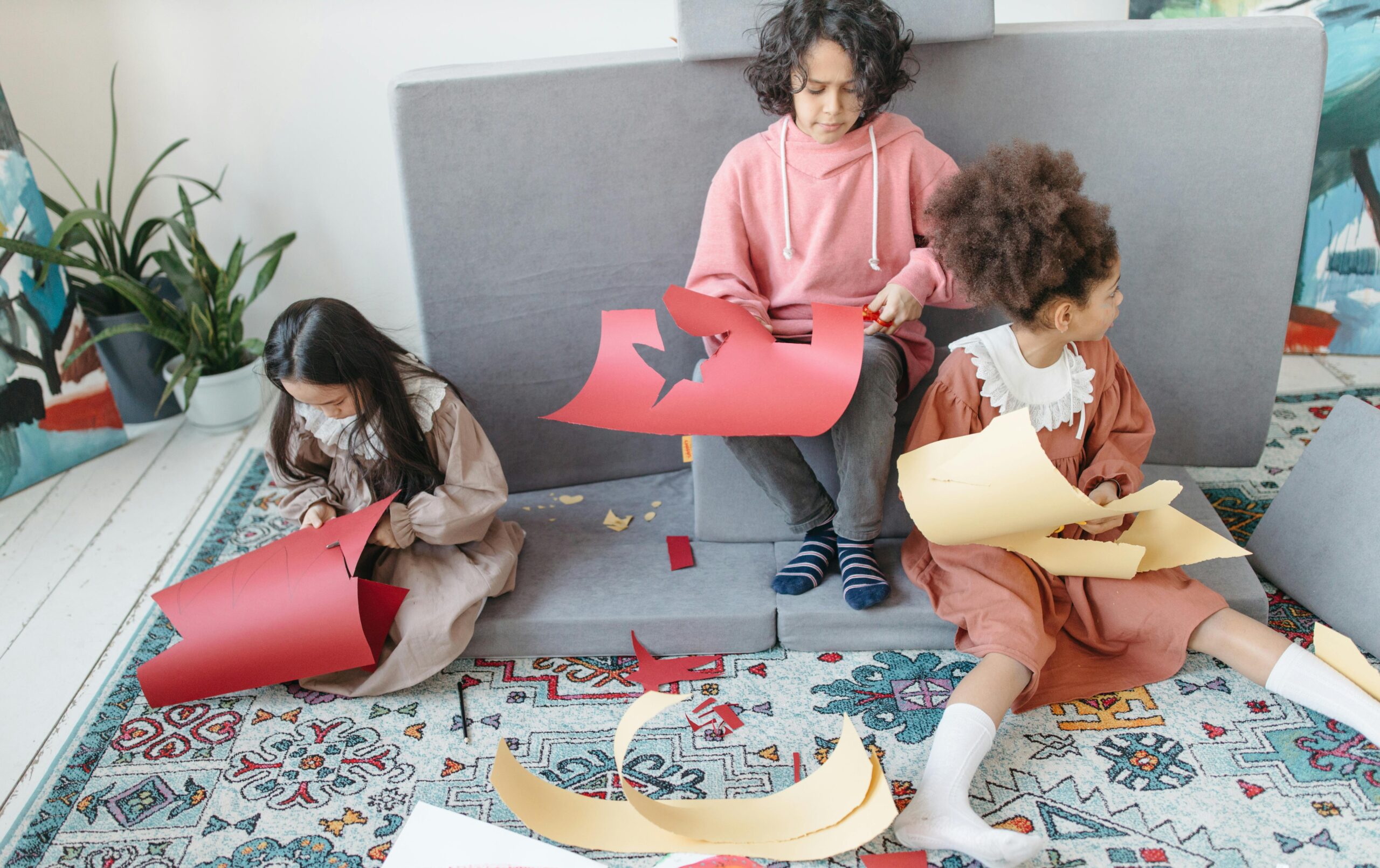
Kids need to be able to use their hands in precise and coordinated ways when they do DIY projects. Kids can improve their fine motor skills by cutting, glueing, folding, threading, sticking, and shaping things. These skills are necessary for doing many things every day, like writing neatly, drawing accurately, and tying shoelaces.
Kids’ hand-eye coordination gets better when they play with small things and use craft tools. They get better at controlling and being accurate the more they practise. Kids can use these skills in a fun and useful way by doing DIY projects that are creative and keep them interested.
Being responsible and independent
One of the best things about DIY projects is that they teach kids to be responsible for their work. Kids learn how to clean up after themselves, organise their materials, and follow steps. This sense of responsibility helps kids become more independent and teaches them how important it is to finish what they start.
Kids also have control over what they make when they do DIY projects. Kids feel proud and accomplished when they design and make something on their own. This gives them the confidence to face more challenges and believe in their own skills. These experiences teach you how to be responsible and think for yourself over time.
Promoting family closeness and communication
Families can have a lot of fun working on DIY projects together. Parents and kids can work together on creative projects, share ideas, and talk while they work. These times help kids feel loved and supported, and they also strengthen emotional bonds.
Parents show their kids how to be creative, patient, and work together when they do DIY projects. Kids learn how to talk about their thoughts and listen to what other people have to say. These interactions boost social and emotional skills, helping kids develop empathy, confidence, and collaboration abilities. Kids will always remember the time they spent doing things with their family.
How to Teach Kids to Use Resources Wisely
Kids learn how important it is to reuse things when they do DIY projects. Kids learn about sustainability and how to use resources wisely by making useful things out of simple or recycled materials like bottles, cardboard, or old fabric. They understand that creativity doesn’t need expensive materials; it needs imagination and careful planning.
This way of thinking helps kids be grateful for what they have and makes them think about the environment in a responsible way. Kids learn to find new uses for everyday things through DIY projects, which helps them develop a sustainable and eco-friendly point of view.
Increasing confidence and self-esteem
Kids feel good about themselves when they finish a DIY project. When they see their ideas come to life, it makes them feel better about themselves and their abilities. Kids feel good about what they can do and want to try new things.
Kids’ confidence grows when they realise that hard work pays off. Kids learn that they can fix problems and make their designs better, even when they make mistakes. This strength helps them believe in themselves and teaches them to deal with problems in a positive way. Kids who are sure of themselves are more likely to try new things, learn, and show off their creative side.
Final Thoughts
DIY projects are great ways for kids to learn and grow in all kinds of ways, including intellectually, emotionally, and creatively. Kids learn how to solve problems, be independent, improve their fine motor skills, and gain confidence through hands-on activities. They learn how to think outside the box, talk to other people, and value hard work and new ideas. These projects also give families a chance to spend time together in a meaningful way and teach kids how to use resources wisely. With the right help and motivation, DIY projects can turn normal things that happen at home into fun and educational activities.
Questions and Answers
Q1: What do DIY projects do for kids?
Kids can learn through hands-on experiences by doing DIY projects. These projects help them become more creative, independent, confident, and better at solving problems.
Q2: At what age should you start doing things yourself?
Kids as young as three can start doing simple crafts, and older kids can do more complicated ones. The activities should always be appropriate for the child’s age and skills.
Q3: What can parents do to help their kids learn on their own at home?
Parents can help kids enjoy and learn from DIY projects by giving them safe materials, helping them when they need it, encouraging them to be creative, and praising their work.

