
Beginning
One of the most important things a child can learn is how to work with others. Teamwork helps kids learn how to talk to each other, work together, and understand other people, whether they are doing a school project, playing a game, or solving a problem. These skills are important for kids’ social development and help them become smart, confident, and respectful people.
It is easy and fun to learn when you teach teamwork through fun activities. Kids learn how to be leaders, be responsible, and be patient as well as how to get along with others. In this article, we talk about the best teamwork games that help kids improve their communication skills, trust each other, learn how to work together, and make friends with other kids. The methods work great in the classroom, on the playground, or at home.
Why it’s important for kids to learn how to work together
How kids work together affects how they interact with the world around them. These skills are important for doing well in school, making friends, playing sports, and working in the future. When kids learn to work together, they also learn to hear other people’s points of view, share tasks, and respect other people’s space.
Teamwork helps kids learn to think about other people instead of just themselves. It teaches them to put themselves in someone else’s shoes and understand how they feel or think. This helps people get along better and talk to each other in a healthy way. Kids who learn how to work together early on are often better at working with others, solving problems, and leading others later in life.
Team activities that help people talk to each other
To work well together, you need to be able to talk to each other. Kids need to learn how to listen to others without interrupting and how to say what they mean. When people work together, they naturally have to talk to each other.
Kids learn that their opinions matter and that they should also respect the opinions of others when they share their thoughts. Kids learn how to be polite, wait their turn, and listen carefully when they do things like telling stories in groups, doing simple projects, or competing with other kids. These skills help you make friends and avoid misunderstandings.
Learning to Work Together and Share
Working together teaches kids how to work towards a common goal. Kids learn that success isn’t just about them; it’s about everyone. Kids learn how to take turns, share things, and help others when they need it by doing things as a group.
Cooperative learning also helps kids learn how to be responsible. Kids know that everyone has an important job to do, even if it’s a small one. They become more patient, understanding, and dedicated to helping others succeed when they learn to work together.
Building trust and confidence in working together
One important part of working together is trust. For kids to feel comfortable working in a group, they need to know that their friends care about them and are there for them. Activities that help kids build trust help them form strong bonds and learn to depend on each other.
Kids are more likely to share ideas, ask for help, and join in when they trust each other. Trust also makes people less anxious and creates a positive group environment where everyone feels welcome. Trust makes you feel safer emotionally and more confident in social situations over time.
Helping Kids Learn How to Lead
Teamwork lets kids practise being leaders in a safe and natural setting. Being the “boss” doesn’t mean being the leader. It means helping the group stay organised, cheering on your teammates, and making fair choices.
When kids take turns being the leader on group tasks, they all get to be the leader at some point. This helps kids feel good about themselves and learn how to be responsible. Kids also learn about working together, listening carefully, and solving problems in a new way through leadership activities.
Group challenges can help people be more creative.
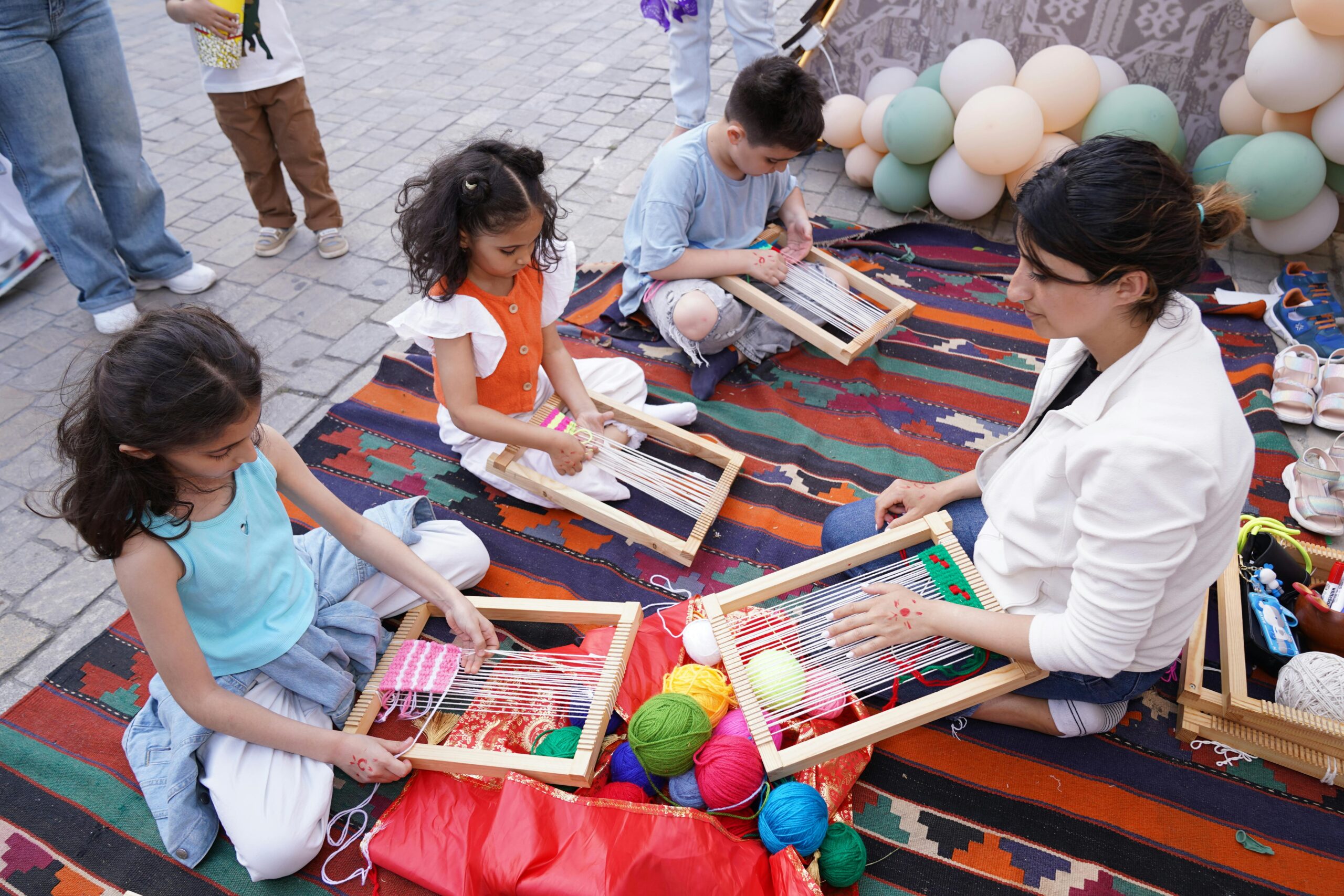
When kids work together, their creativity grows quickly. Working together can lead to new ideas, creative solutions, and new ways of thinking. Kids can be creative and learn how to put ideas together by doing group arts and crafts, building tasks, telling stories, or science challenges.
Team creativity teaches kids that having different points of view is a good thing. It makes people more respectful of each other’s work and shows that working together often gets better results than working alone. This way of thinking gets kids ready for school and work environments in the future where they will need to be creative and work together.
Improving Emotional Intelligence by Working Together
When kids work together, their social and emotional skills get a lot better. Kids learn how to deal with disagreements, recognise their own feelings, and show empathy for others when they are part of a group.
Kids learn how to deal with anger when things don’t go their way, and they learn how their actions affect other people. Children can help each other, celebrate the group’s success, and accept feedback when they work together on challenges. These emotional skills are very important for kids to learn so they can make good choices and have healthy relationships as they get older.
Encouraging problem-solving through group activities
Kids have to think critically and work together to solve problems when they do team challenges. Group problem-solving is more than just finding answers; it helps kids think about problems, listen to different solutions, and pick the best one.
Kids learn that working together often leads to better ideas when they work as a team. It shows them how to split up work, share duties, and work together to get things done. These skills are very important for doing well in school and in the future at work.
Fun team-building games that help kids get better at socialising
Kids can learn about teamwork in a fun way through a lot of different activities. Teamwork is best when people work together on group building tasks, outdoor obstacle courses, indoor puzzle challenges, treasure hunts, relay games and role-play scenarios.
These activities help kids naturally improve important social skills like working together, talking to each other, being a leader, and solving problems. Kids learn while having fun, without feeling like they have to. The more they work together, the better they get at understanding how groups work and making strong connections with others.
Helping Shy Kids Join in on Team Activities
Some kids don’t like being in groups. When working in a group, some kids might feel shy, anxious, or overwhelmed. To help them, start with smaller groups or activities with a partner where the setting is less scary.
Gently encourage shy kids and give them jobs that are easy for them to do. As they get more comfortable, they can join bigger groups over time. They slowly open up, make friends, and enjoy being with others in a supportive and non-judgmental setting.
Building Long-Term Social Confidence Through Team Activities
Children can build social confidence that lasts by working together regularly. Every activity teaches them how to talk to others, be patient, be kind, and be a leader. These experiences affect how they act at school, at home, and in jobs they will have in the future.
Kids who learn how to work well with others are often better at dealing with relationships, settling disagreements, and making good choices. They feel safer in social situations and are better ready for the problems that come with being an adult.
Questions and Answers
1. What makes teamwork important for kids?
Kids learn how to talk to each other, work together, be responsible, lead, and feel for others when they work together. These skills help them do well in school, with friends, and with their feelings.
2. At what age should kids start working together?
Children can begin basic collaborative activities as early as 3 to 4 years of age. They can do more organised group tasks as they get older.
3. What can I do to help my child work better with others?
Give them fun things to do in groups, help them along the way, and praise their work. Teach them to talk to each other and respect other people’s ideas.
4. What if my child doesn’t want to do things with other kids?
To help them gain confidence slowly, start with small groups or tasks that require two people. Give emotional support and don’t make people take part.
5. How do activities that involve working together help people get along better?
They help kids learn how to talk to others, be patient, trust others, and solve problems. These skills help people get along well with each other.

