

Beginning
One of the most important skills for kids to learn in school and in life is maths. Kids who learn simple and smart math tricks early not only get better at math, but they also get faster, more accurate, and more confident. These tricks help them solve problems quickly, think logically, and get ready for more difficult maths in later classes. This article talks about the best math tricks that every child should learn early on, how they work, and why they are important for kids to know. Each part focusses on one important area of maths learning, making it easy for parents to teach their kids at home.
Why Learning Math Early is Important
A child’s academic progress is affected by their early maths skills for years. Kids enjoy math more when they learn about numbers, patterns, and simple math problems at an early age. These skills also help you think logically, solve problems, and analyse things. When kids learn simple math tricks early on, they find the subject easy and fun. This gives kids more confidence and makes them want to be active in class. Early learning also helps kids who are afraid of maths, which is common among young kids.
Adding and subtracting with your fingers
Finger maths is one of the first things kids can learn, and it helps them understand numbers better. This method helps them see numbers and figure out how to add and subtract. For instance, if a child holds up three fingers on one hand and two on the other, putting them together shows them that the answer is five. This simple way of seeing things makes learning easy and natural. Finger maths helps kids remember things better by linking numbers to real-life actions. Kids can learn to do maths faster without using their fingers if they practise.
The Magic of Counting by Twos
Skip counting is a great way to help kids learn how to multiply. Kids can quickly answer multiplication problems if they learn to count by 2, 3, 5, or 10. They don’t have to memorise every table. For instance, counting 5, 10, 15, and 20 helps them figure out problems with the 5-times table. This method helps kids recognise patterns better and also helps them learn how to divide. Skip counting is also fun because it feels like a game. Parents can help their kids practise by singing songs or clapping along.
Quick Solutions with Doubling and Halving
Doubling and halving is a great way for kids to solve problems more quickly. Kids can make math problems easier when they know that doubling means adding the same number and halving means dividing by two. For instance, doubling 8 gives you 16, and halving 20 gives you 10. These basics help them solve bigger problems later, like when they need to multiply big numbers by breaking them down into smaller, easier parts. This method also helps kids think more logically and see how numbers are related to each other.
Using Number Lines to Help You Understand
A number line is a picture that helps kids learn how to count, add, subtract, and even do simple multiplication. When a child sees numbers in order on a straight line, it is easier for them to understand how to move from one number to the next. For example, a child starts at 4 on the number line and jumps three times to get to 7. This makes maths less abstract and more visual. Number lines help kids who have trouble with mental maths by giving them a clear path to follow.
How Patterns Help in Math
One of the best things kids can learn early on is how to recognise patterns. There are patterns in maths all over the place, like in multiplication tables, shapes, number sequences, and even in how we do things every day. Kids who learn to spot patterns are better at solving problems. The sum of the digits in the 9-times table is always 9 (9, 18, 27, 36). Kids can do maths faster and better understand how numbers work when they can see these patterns. Parents can help their kids learn naturally by making simple pattern games with beads, blocks, or drawings.
Quick ways to help young kids learn multiplication
Many kids find multiplication hard, but there are easy ways to make it easier. For instance, to multiply by 10, you just add a zero to the end of the number. To double a number, you multiply it by 2. You can skip count to multiply by 5. These shortcuts help kids get through their homework or tests faster. They also help kids relax because they don’t have to learn everything at once. Using these shortcuts early on builds confidence and helps students learn maths for a long time.
How Parents Can Make Maths Fun at Home
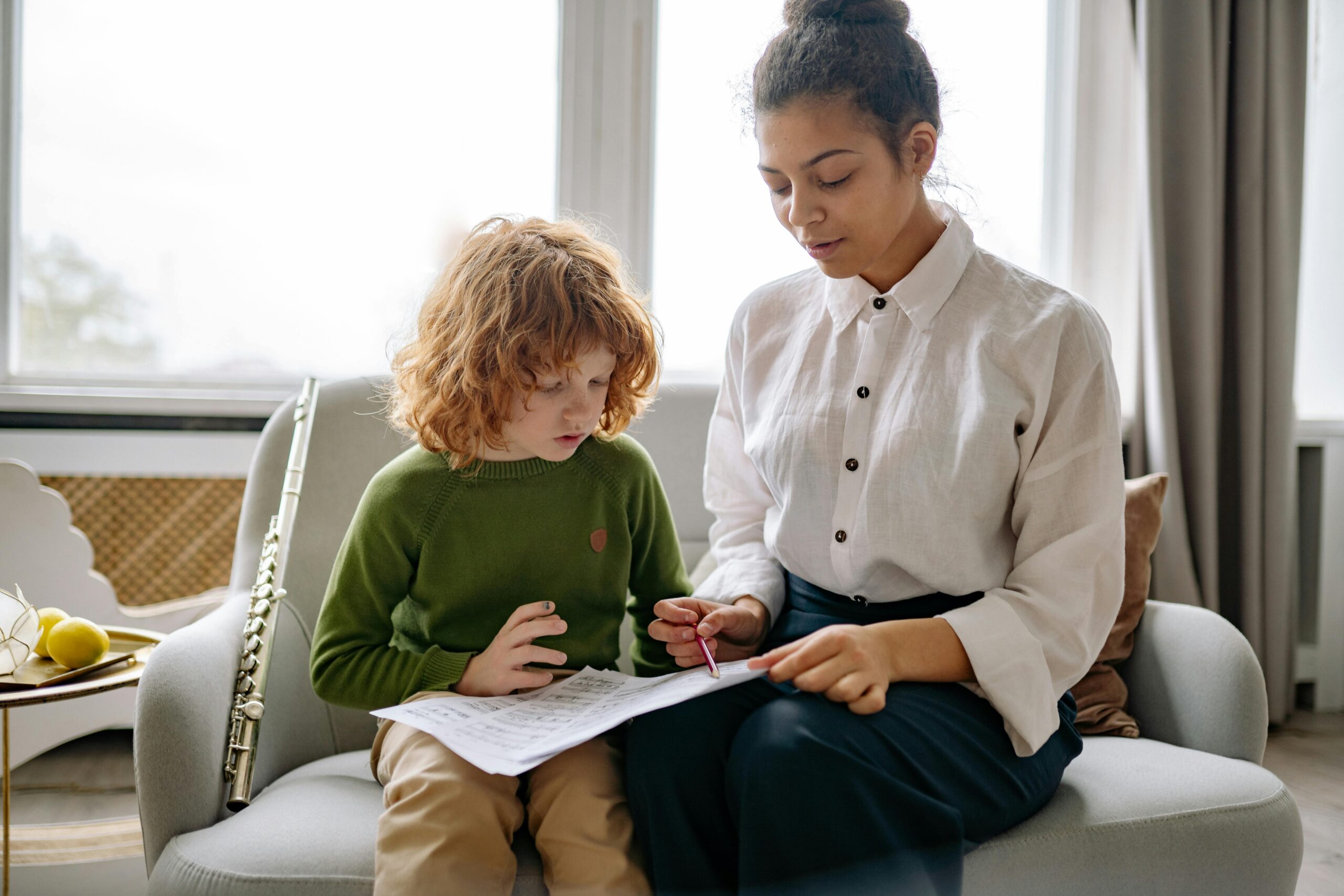
Parents are very important in making maths fun and easy for kids to learn. Parents can teach counting, grouping, and basic operations with everyday items like coins, toys, and spoons. Board games, puzzles, and flash cards are other fun ways to learn. You can teach maths concepts even when you’re doing everyday things like shopping, cooking or putting away toys. Kids learn maths better when they see it in real life, and they don’t feel pressured to do it.
Final Thoughts
Teaching kids simple and smart math tricks early on helps them build a strong base that will help them all through school. These tricks help you understand hard ideas and make maths a fun subject that boosts your confidence. Parents can help their kids become strong and independent learners by giving them visual tools, patterns, shortcuts, and chances to learn every day. Every child can learn great maths skills at a young age if they practise regularly, get support, and do fun things.
Questions and Answers
Q1: Why are math tricks good for kids?
Math tricks make it easier for kids to understand ideas, solve problems more quickly, and feel good about their skills.
Q2: When is the best time to teach math tricks?
Most math tricks can be taught to kids as young as 3 to 5, depending on how ready and comfortable they are.
Q3: What can parents do to make maths fun for their kids at home?
Parents can teach maths to their kids in a natural way by using games, colourful objects, stories, and everyday tasks like cooking or shopping.
Q4: Do math tricks help kids do better in school?
Yes, teaching kids math shortcuts and patterns helps them answer questions faster, understand lessons better, and feel good about themselves in class.
Q5: What should parents do if their kid has trouble with maths?
Parents should be patient, use simple visual aids, practise often, and not put too much pressure on their kids. Learning slowly and steadily is the best way to go.

