

Beginning
A positive learning environment at home is very important for a child’s mindset, confidence, and academic success. Kids do better in school and learn to love learning more when they feel supported, encouraged, and understood at home. A home that encourages curiosity, calmness, and structure helps kids learn how to focus, stay emotionally stable, and make learning a habit for life.
You don’t always need to spend a lot of money or come up with complicated plans to make the right environment. Consistency, patience, and parents being involved are the most important things. This article talks about how parents can make their homes a place that encourages kids, helps them improve their skills, and makes learning fun and easy for them.
Knowing how important a good learning environment is
The way kids see school and themselves is shaped by their home learning environment. Kids’ confidence grows when they know it’s okay to ask questions and make mistakes. They know that learning isn’t about being perfect; it’s about getting better.
A supportive environment helps kids stay curious, try new things, and work harder. When parents are involved in their child’s learning, they send a strong message that education is important. This emotional support is what helps people do well in school and grow as people.
Making a Study Space That Is Calm and Comfortable
A child needs a place to learn where they won’t be distracted. This area doesn’t have to be big or cost a lot of money. You only need a small corner with a chair, desk, good lighting, and the supplies you need.
The goal is to make a space that is calm and welcoming. A clean space helps kids stay organised and lowers their stress levels. Kids are more likely to finish their work when they have their own special place to learn. This sense of order helps you stay disciplined and focused.
Setting up a daily schedule that helps with learning
A daily routine that stays the same is part of a good learning environment. Kids do better when they have structure because it makes them feel safe. Kids can better manage their time if they have set times for studying, playing, eating, and sleeping.
A routine helps kids learn responsibility, cuts down on fights, and makes things more even. Kids feel safer and more focused when they know what to expect. This method, which is based on routines, slowly builds discipline, which is very helpful as kids get older and have more academic problems.
Fostering Curiosity and Autonomy in Thought
A good place to learn makes kids want to ask questions and try new things. Parents should let their kids think for themselves, make choices, and figure things out on their own. Kids become more creative and sure of themselves when they are told to share their thoughts.
They can get their minds going by asking open-ended questions, having small talks, and bringing up interesting topics. Reading, doing puzzles, or simple science experiments are all things that make people curious about the world around them. This growth of independent thought will help kids become good problem solvers in the future.
Giving emotional support and positive feedback
One of the most important things about a good learning environment is emotional support. Even if they make mistakes, kids need to know that their work is important. Parents should not expect their children to be perfect.
Praise and encouragement are examples of positive reinforcement that can help boost self-esteem. Kids feel proud and want to keep learning when you celebrate their small successes. At the same time, parents should be patient when their kids have trouble. Emotional stability helps kids stay calm, sure of themselves, and ready to face problems.
Getting rid of distractions to help you focus
Screens, noise, and constant interruptions are just a few of the things that can keep you from getting things done in a modern home. Parents should cut down on distractions while their kids are studying to help them learn better. Children can stay focused better when the TV is off, the phones are out of reach, and the room is quiet.
Kids can focus for longer periods of time when there aren’t as many things to do. This skill helps kids do better in school and learn how to control themselves better. Parents help kids learn how to focus and be disciplined by making clear rules for study time.
Being an active part of your child’s learning journey
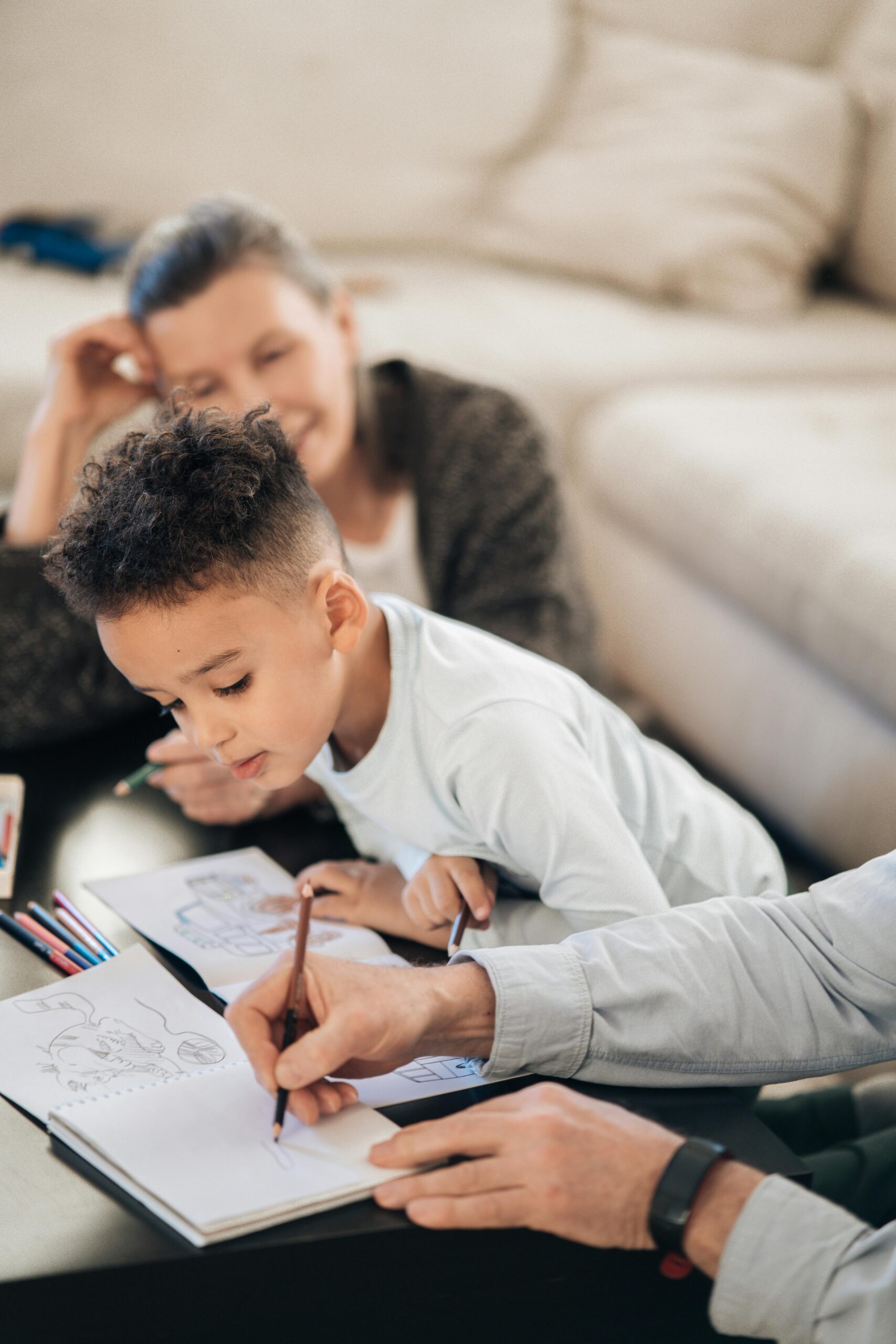
When parents are really interested in their children’s studies, they learn best. This doesn’t mean doing the work for them. Instead, it means helping, encouraging, and guiding them when things get tough.
Kids stay interested when you do simple things with them, like checking their homework, talking about what they learnt in school, or reading together. When parents are involved, kids know that school is important. It also strengthens the bond between parents and children, which makes kids feel emotionally supported as they learn.
Daily Habits That Help Build a Learning Culture
A good place to learn is more than just a study space. It includes daily habits that help people keep learning. Reading books together, talking about important things, going outside, or doing simple educational activities at home all keep a child’s mind active.
Kids become more curious and open-minded when learning is a normal part of their daily lives. They know that learning doesn’t just happen in books; it’s all around them. This point of view makes people more motivated, sure of themselves, and interested in learning for a long time.
Encouraging Healthy Learning by Taking Breaks and Rest
Kids can’t pay attention for very long without taking breaks. They can clear their minds and come back with better focus after short breaks. Parents should let their kids stretch, move around, or have a healthy snack while they are studying.
For learning, it’s also important to get enough sleep. A child who gets enough sleep does better in school and has better control over their emotions. Children can remember things better, stay focused, and stay positive all day long if they get enough sleep.
Final thoughts
One of the best things parents can do for their kids is to make their home a good place to learn. Kids who get the right help, structure, and encouragement become confident learners who love learning new things. A quiet place to study, emotional support, learning through curiosity, and daily routines all help kids stay interested and focused. Parents who are involved in their child’s education make their home a place where they can learn discipline, confidence, and habits that will last a lifetime. This strong base gets kids ready for school and a bright, confident future.
Questions and Answers
Q1: What does it mean to have a good learning environment at home?
A good place to learn is one that is supportive and organised, where kids feel safe, motivated, and encouraged to learn with confidence.
Q2: How can I make my child’s study area work better?
Pick a quiet, comfortable place, keep it tidy, give them the things they need, and limit distractions like TV or cell phones.
Q3: How does having a routine help you learn?
A routine gives kids stability, helps them focus, teaches them discipline, and helps them use their time better.
Q4: What can parents do to help their kids learn at home?
Parents can help their kids with homework, encourage them to read, motivate them when things get tough, and show interest in what they’re learning every day.
Q5: Why is it important to have emotional support while learning?
Emotional support helps kids feel better about themselves, lowers their stress levels, and keeps them motivated even when things get tough.

