
Beginning
In the first few years of life, a child’s brain grows quickly, and the things they do have a big impact on how they think. Kids can learn, explore, and solve problems in new ways through creative activities. They help with memory, focus, and overall brain development. Kids learn how to think for themselves, share their ideas, and improve important mental skills that they will need in school and in everyday life when they do creative activities. This article talks about the best creative activities that can help boost brain power, why they work, and how parents can encourage their kids to be creative at home.
Why creative activities are good for brain growth
When kids do creative things, they use a lot of different parts of their brains at once. When kids paint, build, draw, make things, or solve puzzles, they use parts of their brains that help them think logically, use their imagination, remember things, and make choices. This combination makes neural connections stronger and helps people solve problems better. Kids also learn how to look at things from different points of view, think critically, and come up with new ideas through creative play. Kids who do creative things often do better in school because they learn how to focus, pay attention, and use their imagination to understand new ideas.
Using art and crafts to help you grow creatively
Kids can say what they think, feel, and want to say through arts and crafts. Kids can learn about shapes, lines, patterns, and textures through activities like drawing, painting, colouring, clay modelling, and simple do-it-yourself crafts. These activities help with fine motor skills and hand-eye coordination, and they also boost creativity.
Kids learn how to experiment when they use different things like paper, glue, glitter, cotton, or things they’ve already used. They learn that there are many ways to finish a project or solve a problem, which helps them think more flexibly. Craft activities also help kids learn to be patient and pay attention as they work on making the final product one step at a time.
Activities for Building and Construction
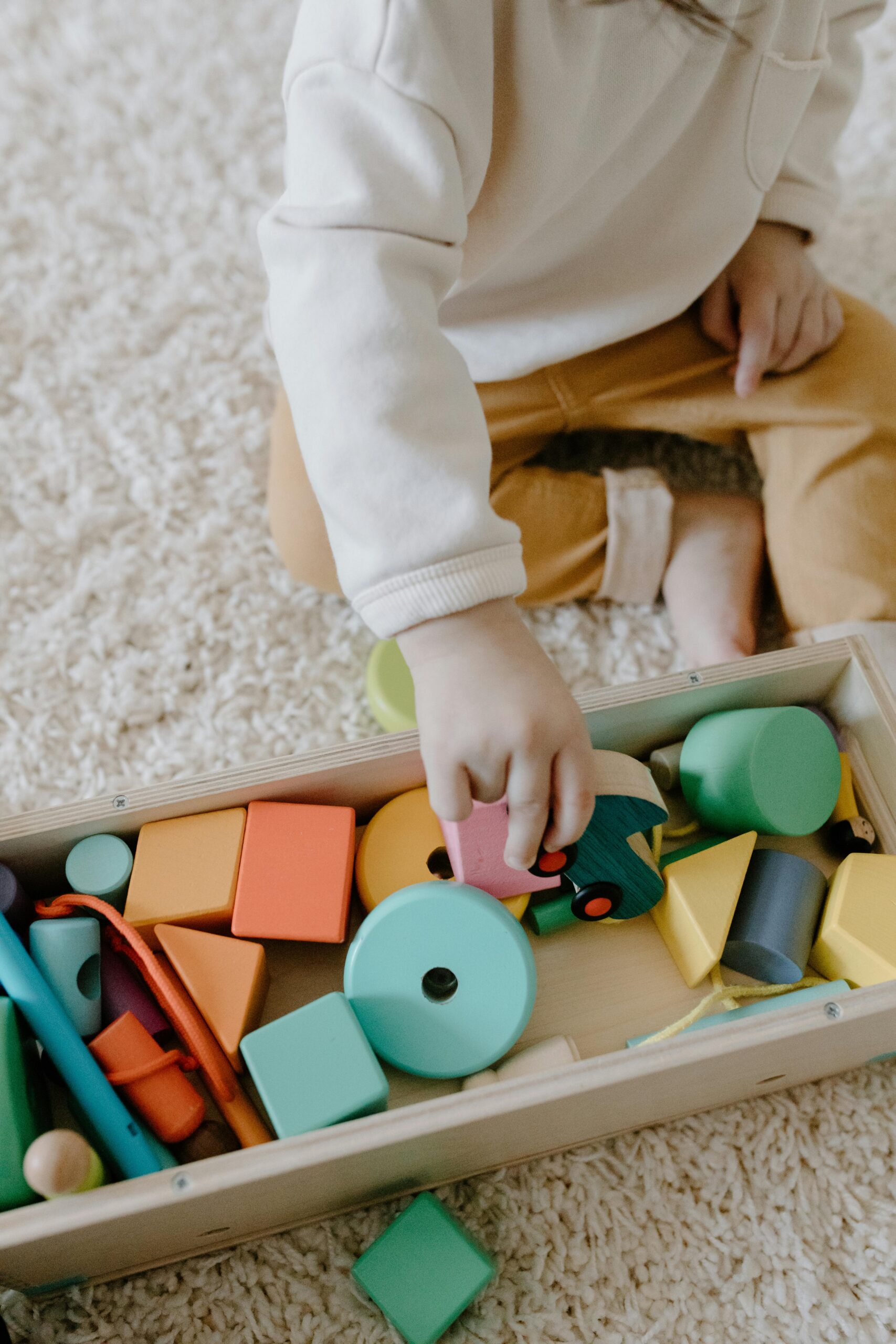
Building blocks, magnetic tiles, Lego sets and making things out of household items are all great ways to improve your brain power. Building helps kids learn about design, structure, stability, and balance. Kids also learn about cause and effect, like why a tower falls or how changing the base makes a structure stronger.
Building things helps kids learn about space, think critically, and come up with creative solutions. Kids start to picture what they want to build, make a plan for how to do it, and then make it happen. This whole process makes your memory, focus, and ability to make decisions better. Parents can help by letting their kids build things without strict rules. This way, the child gets to choose what to make.
Creative Movement, Music, and Rhythms
Music helps kids learn how to keep time, remember things, and express their feelings. Singing, playing simple instruments, or following rhythms with kids gets both sides of their brains working. Activities with music help kids learn to listen better, move better, and use language better.
Creative movement, like dancing, acting out stories, or pretending to be different people, also helps the imagination and brain to be more flexible. Kids can think quickly, make decisions, and respond to cues better when they move around. Kids learn how to use body language and their imaginations to say what they want to say. These activities also help kids relax and pay more attention when they are doing schoolwork.
Telling stories and playing pretend
One of the best ways to help a child use their imagination and learn new words is to tell them stories. Kids think about characters, settings, problems, and solutions when they make up stories. This helps their brains learn how to organise their thoughts and say what they mean more clearly.
Kids can pretend to be different people when they play make-believe, like a chef, doctor, astronaut, or teacher. They learn how to be creative, solve problems, and understand real-life situations through play. Pretend play also helps with vocabulary, talking to others, and understanding your own feelings.
Parents can help with storytelling by asking questions that don’t have a clear answer, like “What happens next?” or “How will the character solve the problem?” This makes kids think more deeply and get better at creative reasoning.
Brain Games and Solving Puzzles
Puzzles are a great way to improve your brain power. Crosswords, jigsaw puzzles, mazes, pattern games, Sudoku for kids, and matching games are all great ways to improve your memory, concentration, and logical thinking.
Kids learn to pay attention to details, compare shapes, and think one step at a time when they do puzzles. Puzzles help you learn how to be patient, keep going, and solve problems. When kids finish a puzzle, they feel proud of themselves, which boosts their confidence and makes them want to try harder tasks.
Parents can pick puzzles that are appropriate for their child’s age to make sure the activity is fun and not too hard.
Creative Exploration Outside
There are endless ways to be creative and improve your brain when you do things outside. Children can learn from nature by doing simple things like picking up leaves, looking at bugs, drawing shapes in the sand, or making patterns with rocks.
When kids go outside, they learn how to look at things, sort them, compare them, and try new things. Things like balancing on logs, making sandcastles, or using sticks to make shapes help with physical coordination and creative thinking. Being outside also helps kids focus and lowers their stress levels, which makes them feel better and ready to learn more.
How Parents Can Help Their Kids Think Creatively at Home
Parents have a big impact on how creative their kids are. They can help kids be more creative by letting them explore, make mistakes, and try new things. Giving kids simple things to play with, like paper, colours, building blocks, clay and everyday things, can get their imaginations going.
Parents should value effort, not just the end result. Kids are more likely to take creative risks when they feel safe. Questions like “How did you make this?” or “What else could you try?” make people think more deeply.
Setting aside time every day for creative play also helps kids stay on track. Limiting screen time and letting kids do hands-on activities helps them be more creative and imaginative.
Final Thoughts
Kids need to do creative things to make their brains work better. They help kids think more deeply, come up with solutions, share their thoughts, and see the world in new ways. Every activity, whether it’s art, puzzles, telling stories, music, building, or playing outside, helps kids improve their cognitive skills. Children’s memories get better, their focus gets stronger, and their learning skills get better when they practise regularly and have parents who support them. Kids become more confident, curious, and ready to do well in school and in life when creativity is a part of their daily lives.
Questions and Answers
Q1: How often should kids do things that are creative?
Kids should do creative things for at least 20 to 40 minutes every day to help their brains and imaginations grow.
Q2: When should kids start doing creative things?
Simple things like colouring, building blocks, and telling stories can get kids started on creative activities as young as two.
Q3: Do creative activities help kids do better in school?
Yes, creative activities help with memory, focus, problem-solving, and communication skills, all of which are important for doing well in school.
Q4: What should I do if my child doesn’t like creative tasks?
Slowly introduce new activities and pay attention to what the child is interested in. Creativity comes naturally when kids like what they’re doing.
Q5: Do creative things also help you grow emotionally?
Yes, letting kids be creative helps them understand their feelings, feel better about themselves, and express their feelings in a good way.

