
Beginning
The first few years of a child’s life have a big impact on how well they learn, how confident they are, and how they get along with others. A child’s brain grows quickly before they start school, so this is a great time to lay the groundwork for learning. Parents have a big impact on how kids learn basic skills like language, motor skills, problem-solving, and emotional awareness. This article talks about useful ways to make a learning environment that helps your child get ready for school and success in life.
Why Learning Early Is Important for Being Ready for School
Early learning kicks off the brain’s most important growth stages. Kids learn things faster when they are toddlers and preschoolers than at any other time. This early exposure helps them develop important skills that schools want, like listening, following directions, recognising shapes, and speaking clearly. A strong foundation for early learning also builds confidence, makes the transition to school less stressful, and helps kids do better in school later on.
Helping Kids Learn to Speak and Write Well
Language is the most important part of learning. Kids who can talk to each other well find it easier to learn, make friends, and say what they need. Parents can improve communication with their child by talking to them often, reading books to them every day, naming things around the house, and asking them to respond. Singing rhymes and telling stories can also help you learn new words and how to listen. When kids feel comfortable talking, they naturally become more confident and interested.
Learning about maths early through play
You don’t need to teach maths concepts formally to kids early on. Counting toys, sorting things by colour, comparing sizes, and noticing patterns are all easy things that help kids get ready for maths in school. Toddlers can learn how to recognise shapes, understand sequences, and solve simple problems with puzzles, building blocks, and number songs. Kids who learn maths early on learn to think logically, which is important for things like reading directions and finishing homework.
Improving both fine and gross motor skills
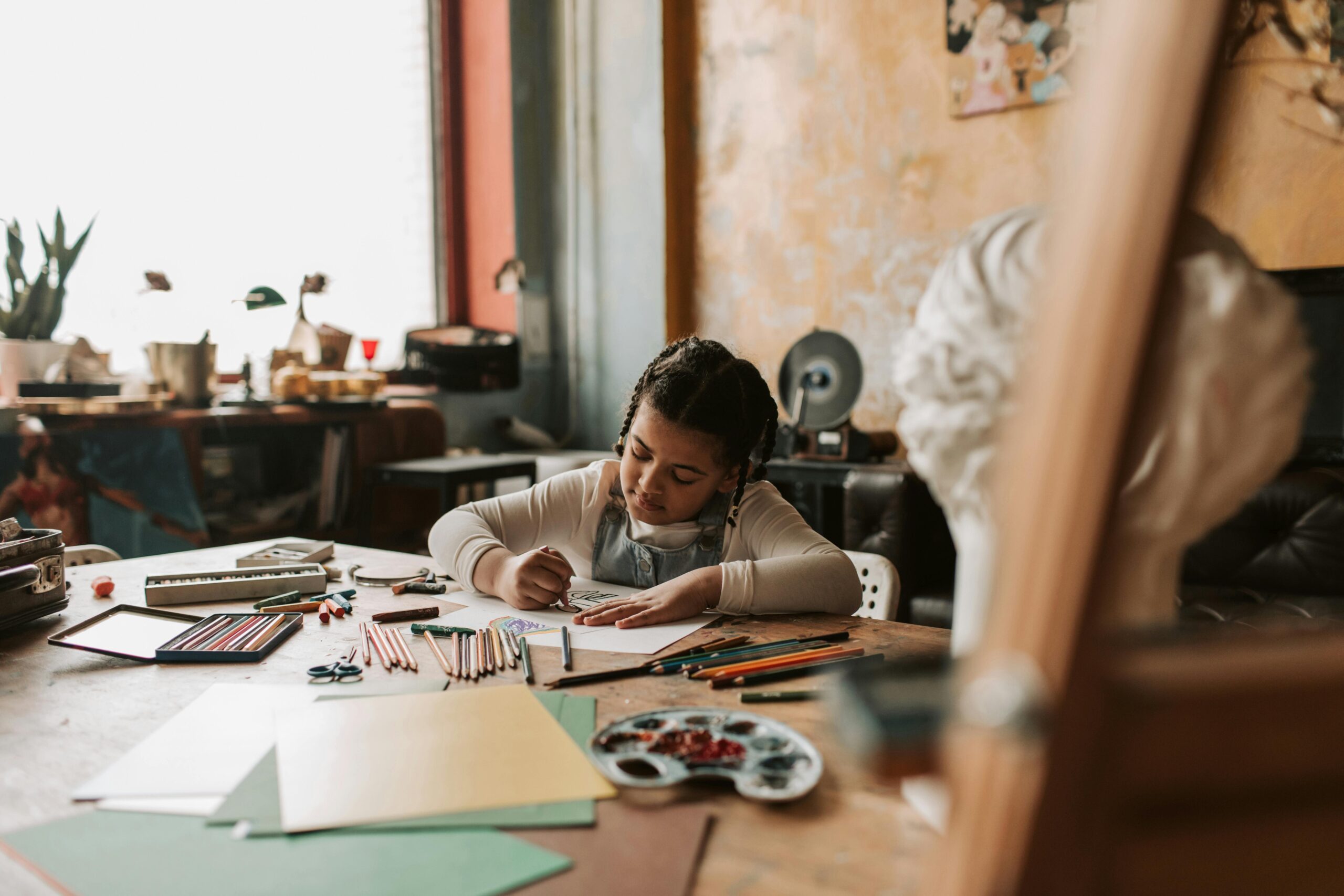
It’s very important for kids to learn motor skills before they start school. Fine motor skills help kids write, use scissors, and hold pencils. Activities like drawing, threading beads, stacking blocks, or playing with clay help kids get stronger and more coordinated.
On the other hand, gross motor skills help with balance, focus, and overall physical growth. Playing outside, running, climbing, and doing simple exercises all help build strong muscles and get kids used to moving in a way that helps them stay interested in class.
Getting Ready for Social and Emotional Life
A child’s emotional and social growth has a big effect on how well they do in school. Kids learn to get along with others better when they learn to share, take turns, and follow simple rules. Parents can show their kids how to behave well by being patient, understanding, and good at talking to others. Helping kids talk about their feelings, work out small problems, and make friends with other kids helps them become more emotionally intelligent. These skills help kids feel safe and sure of themselves when they start school and lower their anxiety.
Making Your Home a Good Place to Learn
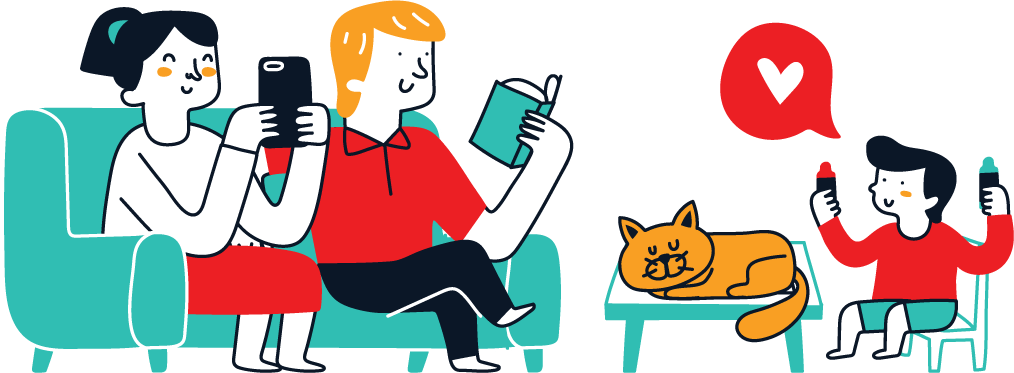
A home that is good for kids to learn in sparks their curiosity and creativity. Setting up a small reading area, giving kids toys that are appropriate for their age, and limiting screen time all help kids learn better. Routines like reading before bed, practicing shapes while playing, or putting away toys help kids learn about structure. They need discipline to follow school schedules, do homework, and follow directions.
Adding music, art, and other creative activities
Creativity is a big part of the early learning foundation. Art helps with imagination and hand coordination, while music helps with memory and rhythm. Letting kids paint, colour, sing, dance, or make things with their hands helps them express themselves. These activities help kids learn how to solve problems and try out new ideas. Creativity also makes learning fun, which lowers frustration and helps students have a positive attitude towards school.
Final Thoughts
Getting a child ready for school starts long before their first day in the classroom. Parents give their kids a great head start by helping them develop strong communication, motor, math, creative, and emotional skills. Children who learn in a supportive environment at home are more likely to be curious, confident, and ready to take on new challenges. Every child can be ready for school and excited about learning for life if they get regular encouragement, meaningful activities, and positive routines.
Frequently Asked Questions
Q1: When should parents start building a learning base?
Parents can start talking, reading, and playing with their child as soon as they are born. At 1 to 2 years old, even simple activities help build a strong foundation for learning.
Q2: What are the most important things a child should know before they start school?
For kids to be ready for school, they need to be able to speak and understand language, count, control their fine motor skills, understand their emotions, and follow simple instructions.
Q3: How can parents help their kids learn without making them feel bad?
Learning through play is a good idea. Telling stories, building with blocks, singing songs and exploring outside are all fun and relaxed ways to learn important skills.
Q4: Can screen time help kids learn new things?
Screen time can be good for learning if it’s limited and watched, but books, interactive play, and real-life experiences are much better for brain development.
Q5: How long should activities for early learning every day last?
Ten to fifteen minutes at a time is all you need for short, regular sessions. Small bursts of learning are better for young kids than long lessons.

